Dealing with altitude before hiking the inca trail To acclimatize to the altitude before hiking the Inca Trail in Peru, especially if you’re coming from a lower elevation, it’s important to take some precautions to reduce the risk of altitude sickness. The Inca Trail reaches elevations of over 4,200 meters (13,800 feet) at its highest point, so acclimatization is crucial. Here are some steps to help you prepare:.
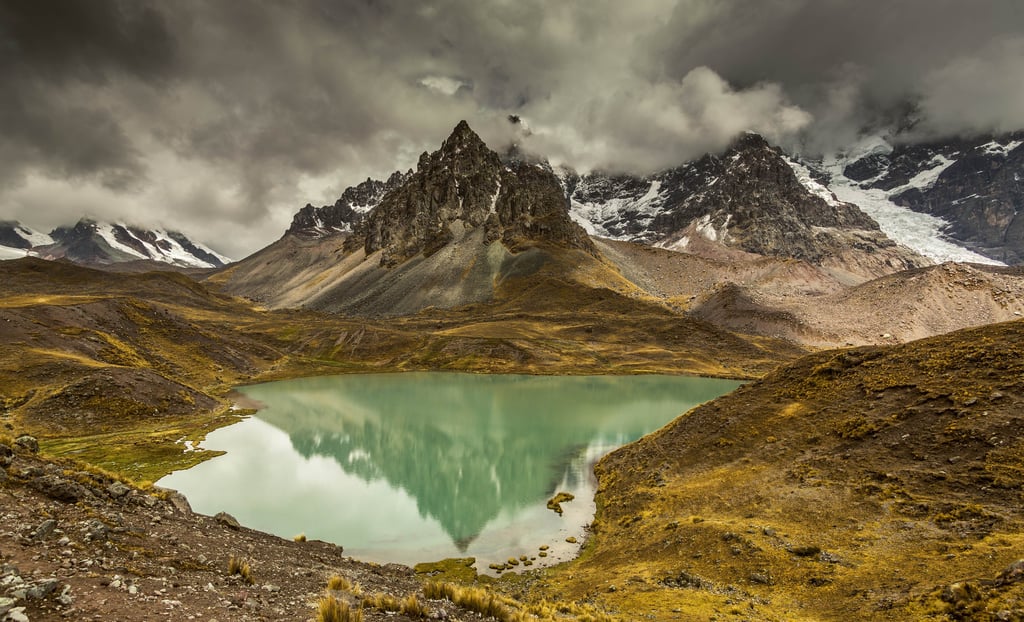
How to Deal With Altitude Before Hiking the Inca Trail
Understanding Altitude in the Andes
Cusco: ~3,399 m / 11,152 ft
Inca Trail highest point (Dead Woman’s Pass): ~4,215 m / 13,828 ft
At these elevations, oxygen levels are significantly lower than at sea level. Your body needs time to adapt—this process is called acclimatization.
1. Acclimatize Properly Before the Inca Trail
✔ Arrive Early
Plan to arrive in Cusco at least 2–3 days before starting the trek.
Avoid scheduling the Inca Trail immediately after landing.
✔ First-Day Strategy
Take it easy the first 24 hours.
Avoid strenuous walking, running, or climbing stairs.
Gentle walks around Cusco or the Sacred Valley are ideal.
✔ Sleep Lower When Possible
Spending nights in the Sacred Valley (2,800–2,900 m) before returning to Cusco helps your body adjust more gradually.
2. Hydration: Your First Line of Defense
Drink 2.5–3 liters of water daily
Increase intake when hiking
Avoid dehydration—it worsens altitude symptoms
Recommended drinks:
Water
Herbal teas (especially coca tea)
Electrolyte solutions (without excess sugar)
Avoid or limit:
Alcohol (especially during the first 48 hours)
Excess caffeine
3. What to Eat at Altitude (Very Important)
Best Foods Before & During the Trek
Focus on high-carbohydrate, light, and easily digestible foods:
Potatoes, rice, quinoa
Pasta and bread
Oatmeal
Soups and broths
Fruits (bananas, apples)
Steamed or boiled vegetables
Carbohydrates require less oxygen to metabolize, making them ideal at altitude.
🚫 Foods to Avoid at Altitude
Heavy red meats
Fried foods
Fatty or greasy meals
Excess sugar
Large portions late at night
These foods slow digestion and increase strain on the body when oxygen is limited.
4. Traditional & Natural Support
Coca Leaves & Coca Tea
Widely used in the Andes for centuries
Helps with mild altitude symptoms
Available legally in Cusco hotels and trekking camps
⚠️ Note: Do not consume coca products before international flights.
5. Medication & Medical Preparation
Consult your doctor before traveling
Some travelers use altitude-related medication as a preventive measure
Carry personal prescriptions and inform your guide of any conditions
Never self-medicate without professional advice.
6. Hiking Strategy on the Inca Trail
Pace Yourself
Walk slowly and steadily
Use the “Andean step”: slow, rhythmic steps with controlled breathing
✔ Breathing Technique
Inhale through the nose
Exhale slowly through the mouth
Match breathing to your steps
✔ Rest Often
Short, frequent breaks are better than long stops
Don’t rush—altitude rewards patience
7. Recognize Early Altitude Symptoms
Mild symptoms are common and manageable:
Headache
Fatigue
Shortness of breath
Loss of appetite
Mild nausea
Difficulty sleeping
What to do:
Stop and rest
Hydrate
Eat light food
Inform your guide immediately
Professional guides are trained to monitor altitude-related conditions and act early.
8. Sleep & Recovery at Altitude
Go to bed early
Keep warm at night
Avoid heavy meals before sleeping
Light stretching helps circulation
Expect lighter sleep the first nights—this is normal
Key Takeaways for Inca Trail Trekkers
Arrive early and acclimatize
✔ Hydrate constantly
✔ Eat light, carb-rich meals
✔ Walk slowly and breathe deeply
✔ Avoid alcohol and heavy foods
✔ Listen to your body and your guide
Contact
Reach out for personalized trekking plans
Phone
+51 940188346
© 2025. All rights reserved.
+51 940188346