
Important Safety Tips for Anyone Hiking in the AnImportant Safety Tips for Anyone Hiking in the Andes
A Professional, Easy-to-Read Safety Guide by Inca Land Adventures. Hiking in the Andes Mountains is one of the most rewarding outdoor experiences in the world. From ancient trails and remote valleys to dramatic glaciers and vibrant Andean culture, the Andes offer unforgettable adventures. However, trekking at high altitude and in remote terrain also requires proper preparation, awareness, and respect for nature. At Inca Land Adventures, safety is our top priority
Inca land adventures
12/17/20252 min read
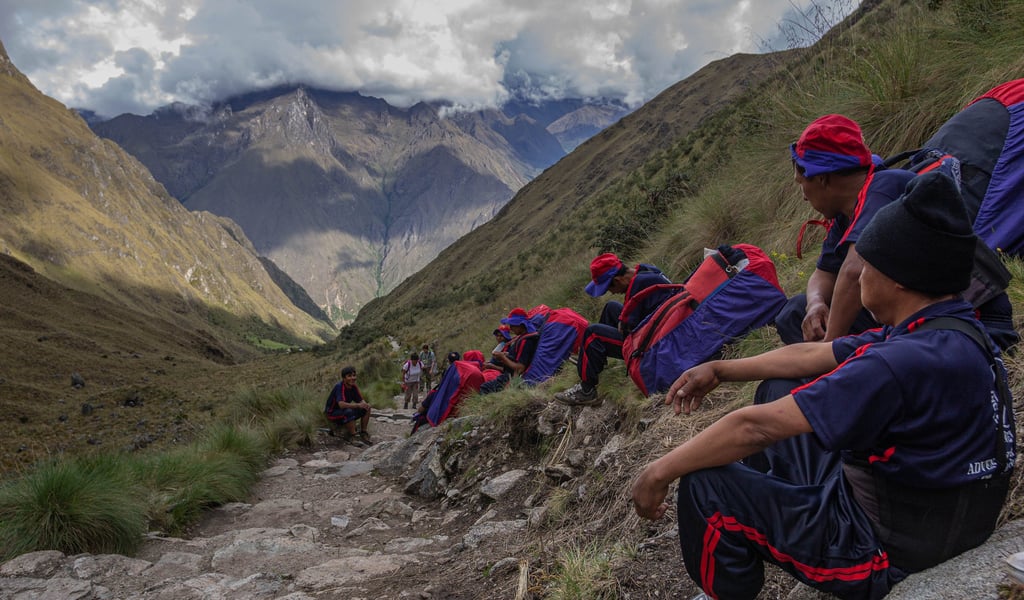
Hiking in the Andes is a life-changing experience when done responsibly. Proper acclimatization, expert guidance, good equipment, and respect for nature ensure that your adventure is safe, enjoyable, and unforgettable.
At Inca Land Adventures, we combine local expertise, safety standards, and authentic trekking experiences to help you explore Peru with confidence.
Important Safety Tips for Anyone Hiking in the Andes
A Professional, Easy-to-Read Safety Guide by Inca Land Adventures
Hiking in the Andes Mountains is one of the most rewarding outdoor experiences in the world. From ancient trails and remote valleys to dramatic glaciers and vibrant Andean culture, the Andes offer unforgettable adventures. However, trekking at high altitude and in remote terrain also requires proper preparation, awareness, and respect for nature.
At Inca Land Adventures, safety is our top priority. This professional guide covers the most important safety tips for anyone hiking in the Andes, whether you’re trekking the Inca Trail, exploring alternative routes, or hiking in high-altitude regions of Peru.
1. Acclimatize Properly to High Altitude
Altitude is the biggest challenge in the Andes. Many treks reach elevations above 4,000 m / 13,000 ft, where oxygen levels are significantly lower.
Professional tips:
Arrive at least 2–3 days early in Cusco or a similar altitude city
Avoid intense physical activity on your first day
Drink plenty of water and coca or herbal teas
Eat light, high-carbohydrate meals
Ascend slowly and follow your guide’s pace
Never ignore symptoms such as headache, nausea, dizziness, or extreme fatigue. Inform your guide immediately.
2. Choose the Right Trek and Difficulty Level
Not all Andean hikes are the same. Some routes are physically demanding and require prior trekking experience.
Key considerations:
Daily hiking distance and elevation gain
Maximum altitude reached
Weather exposure
Trail remoteness and evacuation options
A professional tour operator will help you select a trek that matches your fitness level and experience.
3. Hike with Certified Local Guides and Travel Agency
Trekking with experienced local guides dramatically increases safety. Professional guides:
Understand high-altitude risks
Monitor your health daily
Know weather patterns and trail conditions
Are trained in first aid and emergency response
With Inca Land Adventures, all guides are certified, experienced, and trained for high-Andes trekking.
4. Prepare for Rapid Weather Changes
Andean weather can change quickly—even in the dry season.
Always carry:
Waterproof jacket and pants
Thermal layers
Sun protection (hat, sunglasses, sunscreen)
Gloves and warm hat
Cold mornings, strong sun at midday, and sudden rain or snow are common.
5. Wear Proper Trekking Gear
High-quality equipment reduces injury and fatigue.
Essential gear includes:
Broken-in hiking boots with ankle support
Trekking poles (especially for descents)
Moisture-wicking clothing
High-altitude sleeping bag (on multi-day treks)
Avoid brand-new boots—blisters are one of the most common trekking problems.
6. Stay Hydrated and Eat Well
Dehydration and lack of energy increase altitude sickness risk.
Best practices:
Drink water regularly, even if not thirsty
Avoid excessive alcohol before and during the trek
Eat balanced meals with carbohydrates, soups, and natural sugars
Professional trekking meals are designed to support high-altitude activity.
7. Respect Local Communities and Nature
Many Andean trails pass through traditional villages.
Responsible trekking means:
Asking permission before taking photos
Following Leave No Trace principles
Respecting cultural customs and sacred sites
Supporting local communities through responsible tourism
8. Know Emergency Protocols
Before starting your trek, ensure:
Your guide carries a first-aid kit and oxygen
Emergency evacuation plans are explained
You have valid travel insurance covering high-altitude trekking
Professional operators always prioritize evacuation and medical response when needed.
9. Pace Yourself and Listen to Your Body
This is not a race. Walking slowly and steadily is the safest way to hike in the Andes.
Golden rule:
“Go slow, breathe deeply, and enjoy the mountains.”
Final Thoughts: Safe Trekking Is Smart Trekking
Contact
Reach out for personalized trekking plans
Phone
+51 940188346
© 2025. All rights reserved.
+51 940188346