
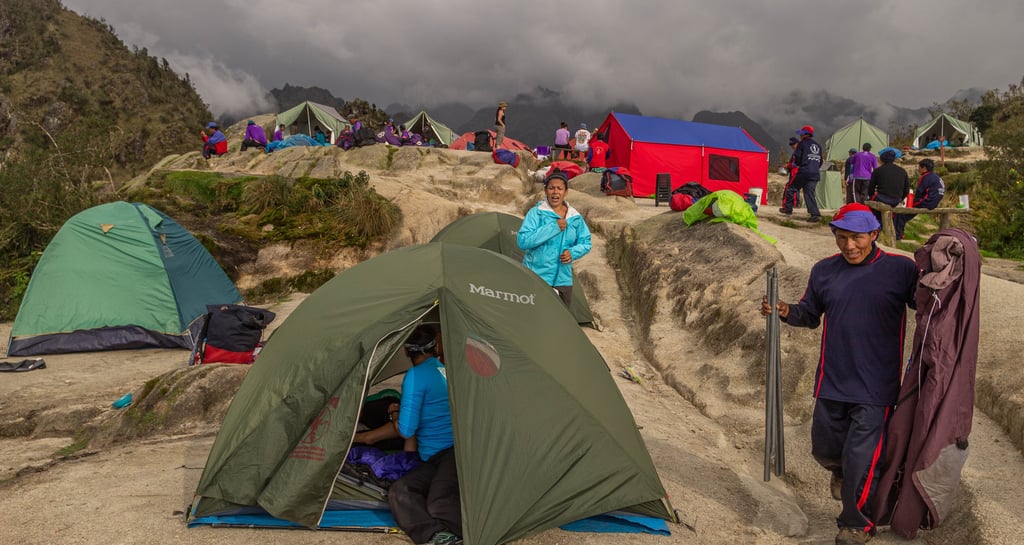

The Best Way to Acclimatize to Altitude in Peru
Before, During, and After Your Trek with Inca Land Adventures
Altitude acclimatization is the most important factor for enjoying high-altitude treks in Peru—especially routes like the Inca Trail, Salkantay, Ausangate, or Rainbow Mountain. Doing it correctly before and during your trek dramatically reduces the risk of altitude sickness and improves overall performance, sleep quality, and trekking enjoyment.
This SEO-friendly guide is written for travelers planning treks with Inca Land Adventures and optimized with high-intent keywords Google can easily index and rank on a monthly basis.
Understanding Altitude in Peru (Why Acclimatization Matters)
Most treks in the Andes take place between 3,000 m and 5,200 m (9,800–17,060 ft). Cusco itself sits at 3,399 m (11,152 ft), which means your body needs time to adapt to lower oxygen levels.
Without proper acclimatization, trekkers may experience:
Headaches
Fatigue
Nausea
Shortness of breath
Correct acclimatization allows your body to:
Increase red blood cell production
Improve oxygen efficiency
Stabilize heart and breathing rates
✅ BEFORE YOU REACH HIGH ALTITUDE (MOST IMPORTANT STEP)
1. Arrive in Cusco Early (2–3 Days Minimum)
The most accurate and proven method is arriving in Cusco at least 48–72 hours before your trek. This gives your body time to begin natural adaptation.
2. Start Low, Go Slow
During your first days:
Avoid strenuous activities
Walk slowly
Avoid alcohol and smoking
Drink plenty of water
Recommended light acclimatization tours:
Sacred Valley (Pisac, Ollantaytambo, Chinchero)
Moray & Maras Salt Mines
These locations sit lower than Cusco, making them perfect for gradual adaptation.
3. Hydration & Nutrition
Drink 2–3 liters of water daily
Eat light, carb-rich meals
Avoid heavy, greasy foods
Coca tea (traditional Andean remedy) may help relieve mild symptoms.
🥾 DURING YOUR TREK (ALTITUDE MANAGEMENT)
4. Follow a Gradual Itinerary
Inca Land Adventures designs trekking itineraries with strategic altitude progression, allowing your body to adjust naturally.
Key principles:
Gradual elevation gain
Built-in acclimatization days
Professional guides trained in altitude safety
This is especially important for treks exceeding 4,000 meters.
5. Walk at Your Own Pace
Altitude is not about fitness—it’s about oxygen availability.
Walk slowly
Take frequent breaks
Breathe deeply
Our guides encourage a “slow and steady” trekking rhythm, proven to reduce altitude symptoms.
⬇️ AFTER HIGH ALTITUDE (RECOVERY PHASE)
6. Descend Slowly When Possible
Descending to lower elevations helps your body recover quickly. Most treks with Inca Land Adventures end at lower altitudes (Sacred Valley or Machu Picchu area), which naturally aids recovery.
7. Rest & Rehydrate
After your trek:
Sleep well
Continue hydrating
Eat nutrient-rich meals
This helps stabilize oxygen levels and prevents post-trek fatigue.
Why Acclimatization with Inca Land Adventures Works
✔ Carefully designed trekking itineraries
✔ Professional local guides with altitude training
✔ Ethical pacing (not rushed)
✔ High success rate for trekkers of all ages
Inca Land Adventures prioritizes traveler safety, comfort, and long-term health, making it one of the most trusted trekking companies in Peru.
The Best Way to Prepare for High Altitude in Peru
January & February 2026: Peak of the rainy season. Frequent afternoon rain and thunderstorms, lush green landscapes, and dramatic skies ideal for atmospheric photography.
By inca land adventures
1/12/20262 min read
Contact
Reach out for personalized trekking plans
Subscribe to our newsletter
+51 940188346
© 2025. All rights reserved.
+51 940188346