
I Will Never Go Hiking Or So I Thought
A First-Time Hiker’s Journey Through the Peruvian Andes I used to say it all the time: “I will never go hiking.” Too tiring. Too cold. Too uncomfortable. Too far from my comfort zone.
By inca land adventures
1/12/20265 min read
I Will Never Go Hiking Or So I Thought
Hiking in Peru for Beginners: My First Inca Trail Adventure
Have you ever thought, “I will never go hiking”? You are not alone. For many travelers, the idea of walking for several days through the Andes sounds challenging, especially when they have little or no trekking experience.
But hiking in Peru does not have to begin with an extreme adventure. With realistic expectations, proper preparation, time to acclimatize, and the right itinerary, you can discover the beauty of the Andes at a pace that suits your abilities.
At Inca Land Adventures, we help travelers plan trekking experiences around Cusco and Machu Picchu, from the legendary Classic Inca Trail to shorter hikes and alternative routes through the Peruvian Andes.
Why Try Hiking in Peru?
Peru offers much more than spectacular mountain scenery. Its trekking routes combine ancient Inca pathways, archaeological sites, traditional Andean landscapes, and remarkable biodiversity.
For first-time hikers, the most rewarding part is often the journey itself: learning about Inca history, discovering places that cannot be reached by road, and experiencing the mountains beyond the usual tourist viewpoints.
Depending on your interests and physical preparation, you can consider:
Classic Inca Trail 4 Days: A multi-day trek featuring historic stone pathways, archaeological sites, mountain scenery, and access to Machu Picchu through the authorized trail itinerary.
Short Inca Trail 2 Days: A shorter alternative for travelers with less time who still want to experience part of the historic Inca Trail.
Sacred Valley hikes: Options for exploring Andean scenery and cultural landscapes without committing to a multi-day expedition.
Alternative treks to Machu Picchu: Routes such as the Lares Trek and Salkantay Trek, each offering a different combination of scenery, cultural experiences, and physical demands.
No single trek is right for everyone. The best choice depends on your available time, fitness, interests, and how comfortable you feel walking at altitude.
Is the Inca Trail Suitable for Beginners?
The Classic Inca Trail is a challenging multi-day mountain trek, not an easy sightseeing walk. However, previous trekking experience is not necessarily required if you are reasonably active, prepare appropriately, and understand the demands of the route.
The four-day trek includes sustained climbs, steep descents, uneven stone steps, and sections at high altitude. The second day is particularly demanding for many hikers because of the ascent toward Warmiwañusqa, commonly known as Dead Woman's Pass, at approximately 4,215 meters (13,828 feet).
Before booking, consider your current fitness level, any relevant medical concerns, and your ability to walk for several hours on consecutive days.
If you are unsure, discuss your concerns with your tour operator and consider a shorter hike before committing to a demanding expedition.
How to Prepare for Your First Inca Trail Trek
You do not need to become an elite athlete to prepare for the Inca Trail. Consistent training and realistic expectations are more useful than trying to do everything at the last minute.
1. Build Your Walking Endurance
Start with regular walks and gradually increase their duration. Include hills, stairs, and uneven terrain when possible.
As your fitness improves, practice longer walks on consecutive days to understand how your body responds to repeated physical effort.
2. Strengthen Your Legs and Core
Exercises such as step-ups, squats, lunges, and controlled step-downs can help prepare your legs for climbs and descents.
Begin at a level appropriate for your fitness and increase the difficulty gradually.
3. Test Your Hiking Equipment
Wear your hiking boots or trail shoes during training walks. This gives you time to identify uncomfortable pressure points before your trip.
A comfortable daypack, suitable layers, rain protection, and trekking poles can also make a difference. Equipment requirements depend on the season and the specific itinerary.
4. Allow Time to Acclimatize
The Inca Trail reaches elevations above 4,000 meters, where altitude can affect even physically fit travelers.
Plan to arrive in Cusco or the surrounding region early enough to rest and acclimatize before your trek. Two or three days is a useful planning allowance for many itineraries, although it does not eliminate the risk of altitude illness.
Avoid strenuous activity immediately after arriving, and tell your guide if you develop symptoms such as a headache, dizziness, nausea, or unusual fatigue. Severe or worsening symptoms require prompt medical assessment. Do not try to push through serious symptoms.
What Is It Like to Hike the Inca Trail?
One of the remarkable aspects of the Classic Inca Trail is how much the landscape changes along the route.
You walk over historic stone pathways, pass archaeological complexes, cross mountain terrain, and enter greener cloud forest environments as the trail progresses.
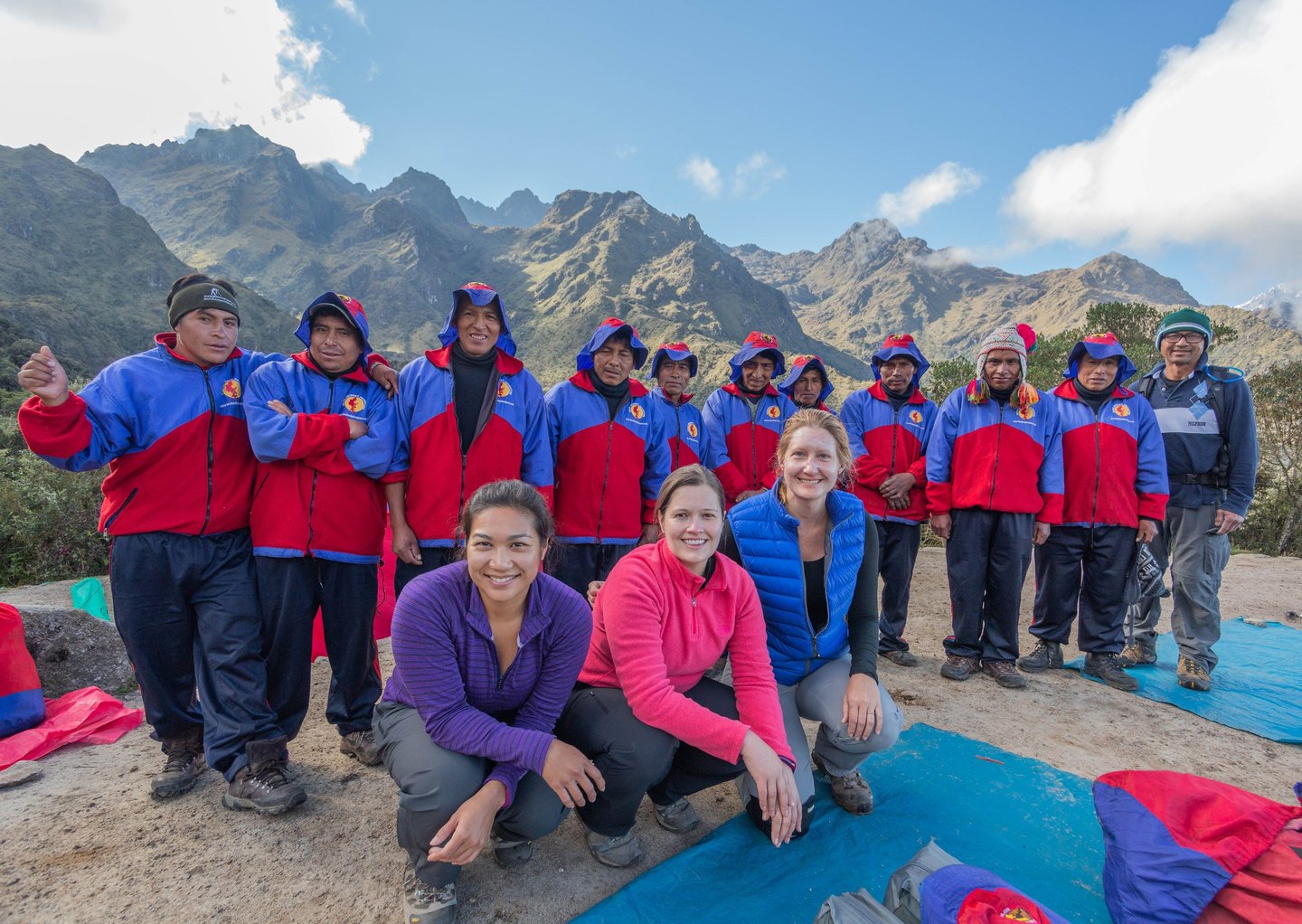
Your guide can help you understand the history and significance of the sites you visit, including the relationship between Inca architecture, the surrounding landscape, and the wider road network of the Inca Empire.
The experience is not only about reaching Machu Picchu. It is also about understanding the journey that leads you there.
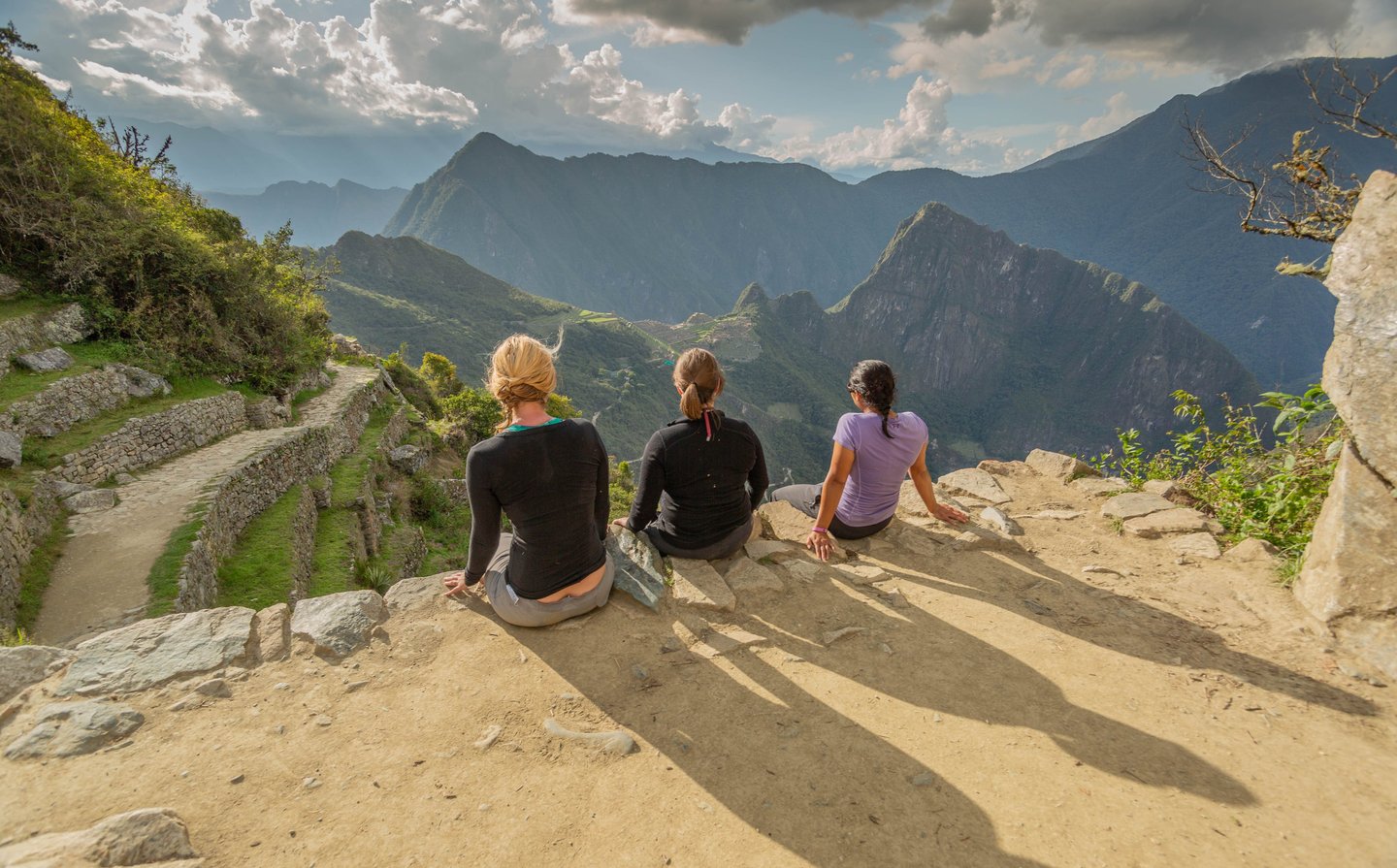
For many travelers, arriving at the Sun Gate, or Inti Punku, is a memorable moment. The views depend on weather, visibility, your authorized itinerary, and the applicable access arrangements.
How to Choose a Responsible Inca Trail Tour Operator
Choosing a trekking company involves more than comparing prices. The quality of your guide, the clarity of the itinerary, the organization of transportation, and the support provided by the crew all contribute to your experience.
Before booking, ask these questions:
Is the company authorized to operate the Inca Trail?
What exactly is included in the tour price?
Which meals, camping equipment, permits, and transportation are covered?
How are guides and trekking staff trained and equipped?
What are the working conditions and load limits for porters?
What procedures are followed if a traveler becomes ill or cannot continue?
What are the cancellation, payment, and permit policies?
A reputable operator should answer these questions clearly and explain any limitations rather than promising outcomes that cannot be guaranteed.
Which Trek Should You Choose?
If you are still deciding whether hiking is right for you, compare the available options before committing.
Choose the Classic Inca Trail 4 Days if you want a multi-day journey focused on historic Inca pathways, archaeology, mountain scenery, and the approach to Machu Picchu.
Consider the Short Inca Trail 2 Days if your schedule is limited and you want a shorter experience on part of the historic route.
Explore alternative treks if you prefer a different combination of mountain scenery, cultural encounters, or trekking conditions.
Remember that Inca Trail permits are limited, and departures depend on official availability. Check your preferred dates before making non-refundable travel arrangements.
Start Planning Your Peru Trekking Adventure
You do not need to be an experienced mountaineer to begin exploring the Peruvian Andes. You do need to choose an appropriate route, prepare for the physical demands, and give yourself time to adjust to the altitude.
At Inca Land Adventures, our team can help you compare trekking options, understand the booking process, and select an itinerary that matches your interests and travel plans.
Explore our Classic Inca Trail 4 Days / 3 Nights, discover our Short Inca Trail 2 Days, or contact our team to discuss a private trekking experience.
Your first hiking adventure in Peru can begin with one simple step: choosing the right trail for you.
Frequently Asked Questions
Can beginners hike the Inca Trail?
Some first-time hikers can complete the Classic Inca Trail with appropriate preparation, acclimatization, and a realistic understanding of its difficulty. It is a demanding high-altitude trek, so assess your fitness and health before booking.
How many days should I spend in Cusco before hiking?
Allowing two or three days for acclimatization is a useful starting point for many travelers. Individual responses to altitude vary, and no fixed period guarantees that altitude illness will not occur.
Do I need hiking experience for the Classic Inca Trail?
Previous trekking experience is helpful but not always essential. Training on hills and stairs, testing your equipment, and practicing longer walks can help you prepare.
What is the best Inca Trail trek for beginners?
It depends on your fitness, available time, and preferences. The Short Inca Trail is a shorter option, while the Classic Inca Trail offers a more demanding four-day experience. Neither should be described as universally easy.
Do I need a permit for the Inca Trail?
Yes. Access to the regulated Inca Trail route requires the appropriate authorization and is subject to official availability. Confirm the arrangements for your chosen departure before booking flights or other non-refundable services.
Contact
Reach out for personalized trekking plans
Subscribe to our newsletter
+51 940188346
© 2025. All rights reserved.
+51 940188346