Top Off-the-Beaten-Path Treks to Machu Picchu
Discover Hidden Routes with Inca Land Adventures Machu Picchu is one of the world’s most iconic destinations—but reaching it doesn’t have to mean following the crowds. At Inca Land Adventures, we specialize in off-the-beaten-path treks to Machu Picchu,
By inca land adventures
1/12/20268 min read
Top Off-the-Beaten-Path Treks to Machu Picchu
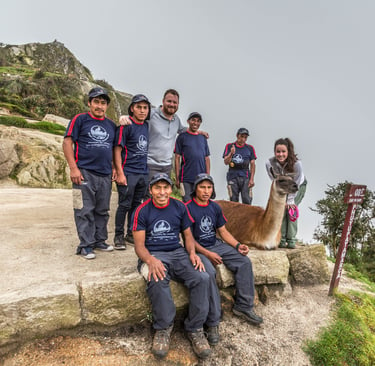
Best Alternative Treks to Machu Picchu: 8 Routes Beyond the Crowds.
Looking for the best alternative treks to Machu Picchu? Peru offers far more than the famous Classic Inca Trail. From remote archaeological paths and traditional Andean villages to glacier-covered mountains and quiet highland valleys, there are several ways to explore the Andes before visiting the ancient Inca citadel.
At Inca Land Adventures, we help travelers choose trekking routes according to their available time, hiking experience, cultural interests, and preferred landscapes. Some routes lead to Machu Picchu through a combination of hiking and train travel, while others explore remote Inca sites and mountain regions that can be included in a longer Peru itinerary.
In this guide, discover eight alternative treks to consider, what makes each route distinctive, and how to choose the right adventure for your trip.
Why Choose an Alternative Trek to Machu Picchu?
The Classic Inca Trail is famous for its original stone pathways, archaeological sites, and arrival at Machu Picchu through the Sun Gate. However, its limited permits and fixed itinerary do not suit every traveler.
An alternative trek may be a better choice if you want to:
Explore quieter mountain
trails and less-visited archaeological sites.
Experience traditional Andean communities and rural landscapes.
Hike through glaciers, high mountain passes, and remote valleys.
Choose an itinerary that fits your available travel days.
Compare different levels of physical difficulty and altitude exposure.
Combine trekking with a guided visit to Machu Picchu.
Important: Not every alternative trek reaches Machu Picchu directly. Some require a train journey or additional transport, while longer expeditions follow separate routes through remote archaeological regions.
1. Salkantay Trek to Machu Picchu
Best for: Dramatic mountain scenery, alpine lakes, and adventurous hikers.
The Salkantay Trek is one of the best-known alternatives to the Classic Inca Trail. It combines spectacular Andean landscapes with a challenging high-altitude crossing and a descent toward warmer valleys.
Depending on the itinerary, highlights may include Humantay Lake, the Salkantay Pass, snow-covered peaks, and changing ecosystems between the high Andes and cloud forest.
Many itineraries take approximately five days, although shorter and longer versions are available. The final approach to Machu Picchu varies by route and transport arrangements.
Why choose Salkantay?
Impressive mountain and glacier scenery.
High-altitude trekking and varied terrain.
Opportunities to explore remote Andean landscapes.
A rewarding alternative for travelers who enjoy physically demanding hikes.
Before booking, check the maximum elevation, daily walking distances, overnight accommodation, and how the itinerary connects with Machu Picchu.
Explore our [Salkantay Trek to Machu Picchu] and [Salkantay Trek + Short Inca Trail] options.
2. Lares Trek to Machu Picchu
Best for: Andean culture, traditional villages, and mountain scenery.
The Lares Trek is an excellent option for travelers interested in the cultural side of the Peruvian Andes. Depending on the route, hikers may pass through highland valleys, traditional communities, mountain lakes, and areas where herding and textile traditions remain part of everyday life.
Some itineraries also include the Lares hot springs. The trek generally connects with Machu Picchu through onward transport, often including a train journey, rather than following the Classic Inca Trail all the way to the citadel.
Why choose Lares?
Opportunities to learn about contemporary Andean life.
Scenic mountain valleys and highland landscapes.
A combination of cultural experiences and trekking.
Flexible itinerary options depending on the chosen program.
Responsible travel matters here. Visitors should respect local customs, ask permission before photographing people, and support communities through appropriate local services.
Explore our [Lares Trek to Machu Picchu] and [Lares + Short Inca Trail] itineraries.
3. Huchuy Qosqo Trek
Best for: Travelers with limited time who want mountain views and Inca archaeology.
Huchuy Qosqo, whose name is commonly translated as “Little Cusco,” is an archaeological site above the Sacred Valley. The trek offers a combination of mountain scenery, highland landscapes, and a visit to an important Inca settlement.
Depending on the starting point and itinerary, the hike can be completed as a short excursion or incorporated into a longer journey through the Sacred Valley.
Huchuy Qosqo is not a direct hiking route to Machu Picchu. Travelers visiting both destinations need a separate transport arrangement or an itinerary that connects them.
Why choose Huchuy Qosqo?
A shorter alternative to multi-day expeditions.
Views across the Sacred Valley.
Inca archaeological remains and historic landscapes.
An opportunity to combine trekking with cultural sightseeing.
Explore our [Huchuy Qosqo Trek to Machu Picchu] options to find a suitable itinerary.
4. Inca Quarry Trek (Cachicata Trek)
Best for: History enthusiasts, archaeological landscapes, and quieter trails.
The Cachicata Trek, also known as the Inca Quarry Trek, explores the area around Ollantaytambo and the stone quarries associated with Inca construction. The route provides insight into the remarkable stonework and engineering traditions of the Inca civilization.
Depending on the itinerary, hikers may encounter quarry remains, unfinished stone blocks, archaeological features, and expansive views of the surrounding mountains.
This trek does not automatically provide direct access to Machu Picchu. If visiting the citadel is part of your plan, make sure the itinerary includes the necessary transport and entrance arrangements.
Why choose Cachicata?
An archaeology-focused hiking experience.
Historic quarry landscapes and Inca engineering.
Views of the Sacred Valley and surrounding mountains.
A distinctive alternative for travelers interested in Inca history.
Explore our [Inca Quarry Trek] itinerary and ask about connecting the experience with Machu Picchu.
5. Ancascocha Trek
Best for: Experienced hikers seeking remote mountain scenery.
The Ancascocha Trek is a demanding alternative for travelers who prefer quieter routes and dramatic high-altitude landscapes. Depending on the itinerary, the route crosses remote valleys and mountain passes, with expansive views of the Andes and opportunities to experience less-traveled trekking terrain.
The route requires careful planning because of its elevation, terrain, and more remote sections. It is best suited to travelers who are comfortable with sustained hiking and changing mountain conditions.
Why choose Ancascocha?
Remote Andean scenery.
High mountain passes and demanding walking days.
A quieter trekking experience than many popular routes.
Opportunities for mountain photography and landscape exploration.
Ancascocha itineraries vary. Confirm the route, overnight stops, highest elevation, and final connection to Machu Picchu before booking.
6. Moonstone Trek
Best for: Travelers interested in remote Andean landscapes and archaeological heritage.
The Moonstone Trek explores highland landscapes and archaeological areas associated with the wider Cusco region. Depending on the route, it can combine mountain passes, rural settlements, and historic sites into a multi-day hiking experience.
This is an option for travelers who want to explore beyond the busiest trekking corridors and experience a different perspective on the Andes.
Why choose Moonstone?
Less-traveled mountain landscapes on suitable itineraries.
Opportunities to explore archaeological remains.
A combination of natural scenery and cultural history.
A distinctive route for adventurous travelers.
Route details and the connection to Machu Picchu depend on the specific itinerary. Review the daily stages and transport arrangements before choosing this trek.
7. Choquequirao Trek
Best for: Experienced hikers who want a demanding archaeological expedition.
Choquequirao is a major Inca archaeological complex located in a remote mountain setting. Reaching it typically involves steep descents into the Apurímac Canyon and strenuous climbs on the return or onward route.
The trek is physically demanding and should not be confused with an easy alternative to the Classic Inca Trail. Travelers should be prepared for substantial elevation changes, long hiking days, and more basic conditions in remote areas.
Some itineraries visit Choquequirao and return along the same general route. Longer expeditions can continue through the Vilcabamba region toward Machu Picchu, but these require additional days and detailed logistics.
Why choose Choquequirao?
Extensive Inca archaeological remains.
Remote mountain scenery and deep canyon landscapes.
A challenging expedition for experienced hikers.
Opportunities to explore a less-visited part of Peru's Inca heritage.
Explore our [Choquequirao Trek] options, including longer itineraries toward Machu Picchu.
8. Choquequirao to Machu Picchu via Vilcabamba
Best for: Experienced trekkers seeking a long-distance Andean expedition.
For travelers with more time, a Choquequirao–Vilcabamba expedition offers a demanding journey through remote landscapes associated with the history of the late Inca period.
These itineraries are considerably more complex than standard treks. They may involve long walking days, limited infrastructure, changing terrain, and careful coordination of guides, camps, food supplies, and transport.
Not every Choquequirao or Vilcabamba itinerary reaches Machu Picchu. Confirm the exact route and final connection before booking.
Why choose this expedition?
A multi-day adventure through remote Andean regions.
Opportunities to explore several archaeological landscapes.
A demanding experience for fit and experienced hikers.
A deeper focus on the history and geography of the Inca world.
Explore our [Choquequirao to Machu Picchu via Vilcabamba] itinerary to discuss route options and preparation.
What About the Ausangate Trek?
The Ausangate Trek is one of Peru's most spectacular high-altitude trekking experiences, known for glacial peaks, colorful mountain landscapes, and remote alpine lakes.
However, Ausangate is not a direct trekking route to Machu Picchu. It is better understood as a separate trekking adventure that can be combined with a visit to Machu Picchu as part of a wider Peru itinerary.
Choose Ausangate if your main priority is high-mountain scenery and a demanding Andean experience rather than a direct approach to the Inca citadel.
Alternative Treks to Machu Picchu: How Do They Compare?
TrekBest forGeneral difficultyDirect access to Machu Picchu?SalkantayMountain scenery and alpine lakesModerate to challengingNo; itinerary-dependent transport connectionLaresAndean culture and villagesModerate to challengingNo; usually connects by transportHuchuy QosqoShort hikes and archaeologyEasy to moderate, depending on routeNoInca Quarry / CachicataInca engineering and historyModerate, depending on routeNoAncascochaRemote mountain trekkingChallengingItinerary-dependentMoonstoneRemote highlands and archaeological heritageModerate to challengingItinerary-dependentChoquequiraoRemote archaeological expeditionsChallenging to very challengingOnly on extended itinerariesChoquequirao–VilcabambaLong-distance expedition trekkingVery challengingPossible on specifically designed itinerariesAusangateHigh-altitude mountain landscapesChallenging to very challengingNo; separate itinerary required
Difficulty depends on the exact route, altitude, daily distances, weather, and individual fitness. Ask for the detailed itinerary rather than relying on a general difficulty label.
Which Alternative Trek Is Right for You?
Choose your trek according to the experience you want most:
For dramatic mountain scenery: Salkantay.
For traditional Andean culture: Lares.
For a shorter archaeological hike: Huchuy Qosqo.
For Inca engineering and quarry remains: Cachicata.
For remote mountain trails: Ancascocha or Moonstone, depending on the itinerary.
For a demanding archaeological expedition: Choquequirao.
For a long-distance adventure: Choquequirao to Machu Picchu via Vilcabamba, if the full route is available.
For high-altitude wilderness: Ausangate, combined with a separate Machu Picchu visit.
If your main goal is to arrive at Machu Picchu through the Sun Gate, consider the regulated Short Inca Trail instead. It requires the appropriate permit and should not be confused with the unregulated alternative routes.
Frequently Asked Questions About Alternative Treks to Machu Picchu
Which trek is the best alternative to the Classic Inca Trail?
There is no single best option for every traveler. Salkantay suits hikers who prioritize mountain scenery, Lares is ideal for cultural experiences, and Huchuy Qosqo offers a shorter archaeological hike. The right route depends on your fitness, schedule, and interests.
Do alternative treks require Inca Trail permits?
Most alternative routes do not require the specific permit used for the Classic Inca Trail. However, entry tickets, local regulations, protected-area requirements, and Machu Picchu reservations may still apply. Always confirm current requirements for your exact itinerary.
Can I reach Machu Picchu without hiking the Classic Inca Trail?
Yes. Travelers can reach Machu Picchu through several alternative trekking itineraries, usually involving a combination of hiking and transport. The exact route depends on the trek selected.
Which alternative trek is best for experienced hikers?
Ancascocha and Choquequirao are demanding options, while extended Choquequirao–Vilcabamba expeditions require substantial preparation. Ausangate is another challenging option for travelers seeking high-altitude mountain scenery.
How far in advance should I book an alternative trek?
Book early if your itinerary includes Machu Picchu entrance tickets, train tickets, accommodation, or limited-capacity services. The required lead time depends on the season, route, and availability of each component.
Can I arrange a private alternative trek?
Private arrangements may be possible depending on the route, dates, and operational requirements. Ask your tour operator for a customized itinerary, inclusions, difficulty assessment, and a clear price breakdown.
Plan Your Alternative Trek with Inca Land Adventures
Choosing the right trek can make a significant difference to your experience of Peru. Whether you want traditional Andean culture, remote archaeological sites, high-altitude scenery, or a demanding multi-day expedition, the best itinerary is one that matches your interests and preparation.
At Inca Land Adventures, we can help you compare available routes, understand the physical requirements, and plan the transport connections needed for Machu Picchu.
Ready to plan your adventure? Contact our team with your preferred travel dates, group size, hiking experience, and the type of scenery or cultural experiences you want to explore.
Explore our alternative treks and request a personalized itinerary for your journey through the Peruvian Andes.
Inca Land Adventures – Experts in Off-the-Beaten-Path Treks to Machu Picchu
Contact
Reach out for personalized trekking plans
Subscribe to our newsletter
+51 940188346
© 2025. All rights reserved.
+51 940188346